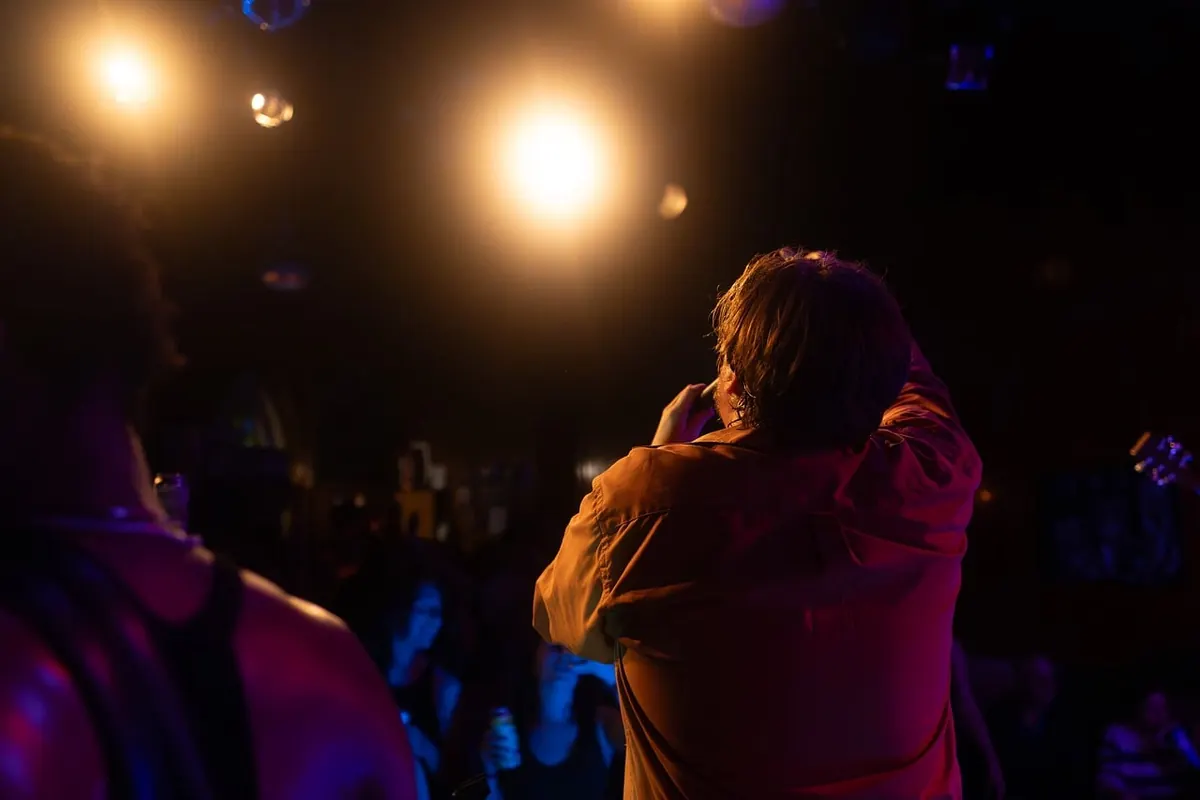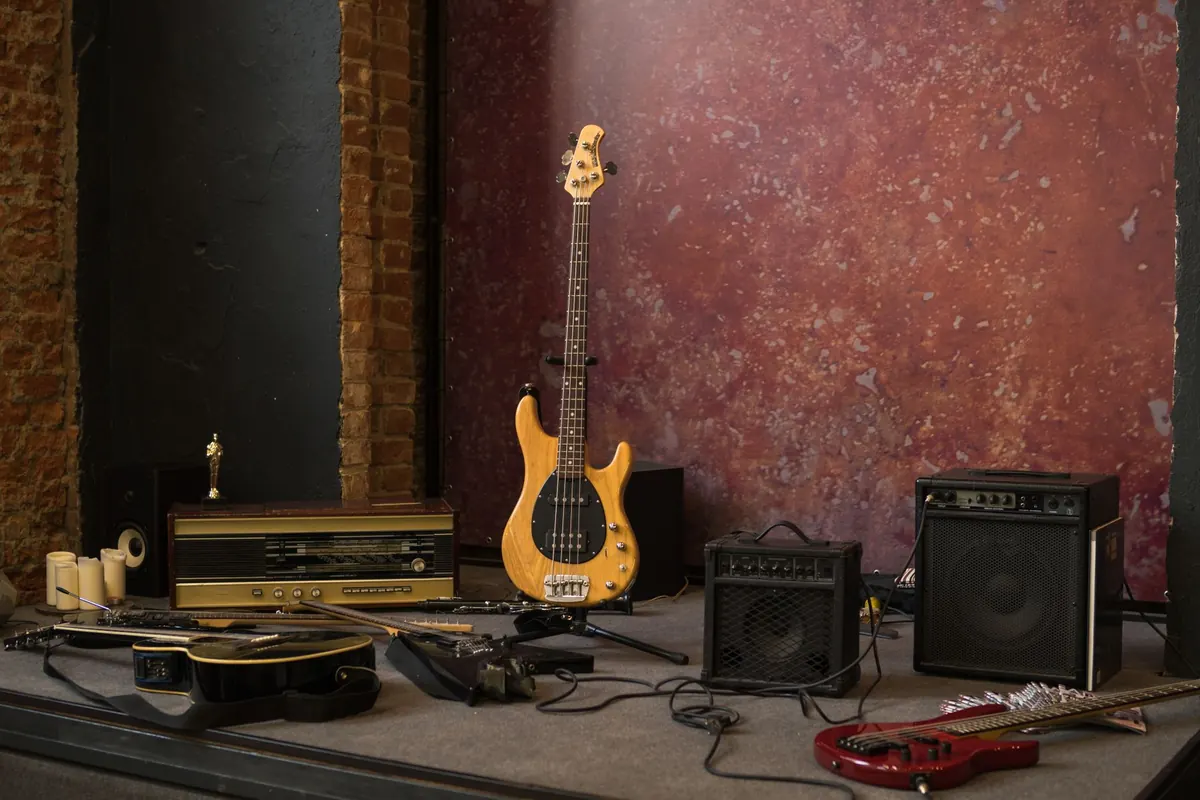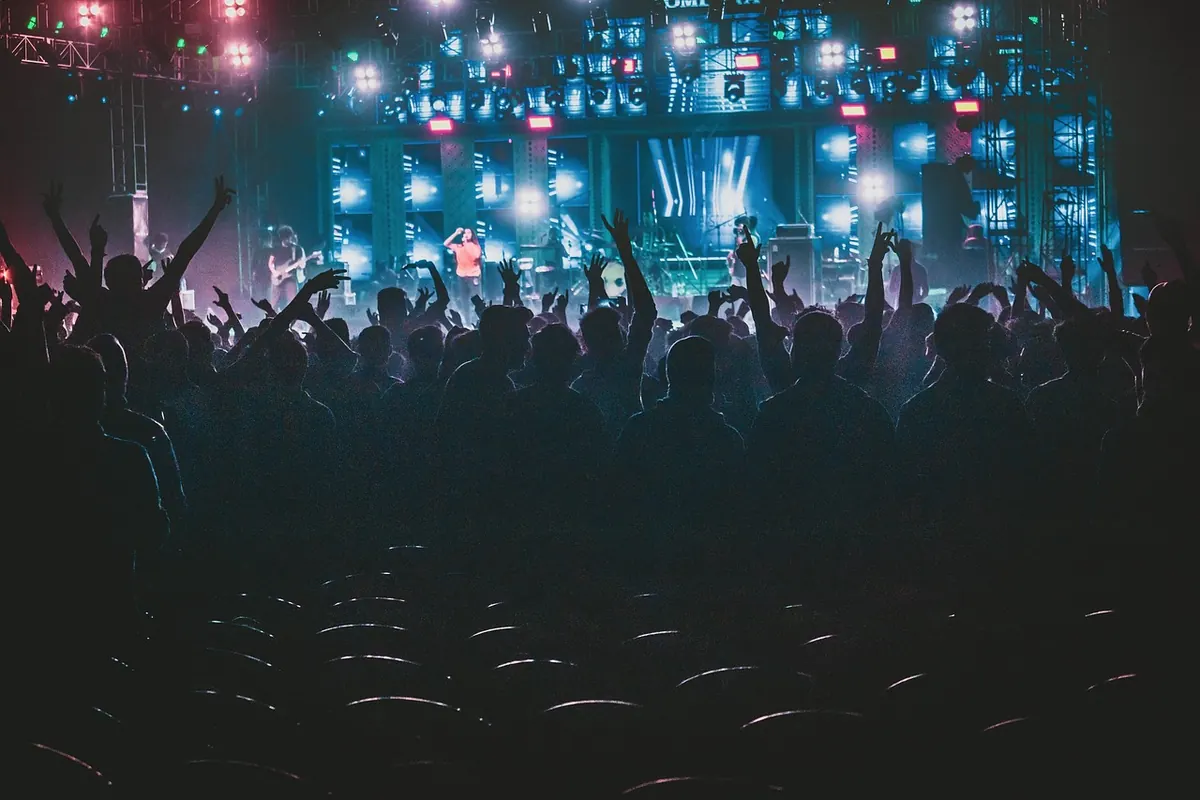
Manchester's best gigs rarely happen behind the biggest signs. They happen in a back room above a pub, down a set of stairs off Oldham Street, or in a Salford space where the ceiling is low enough to touch. The upside for anyone watching their spending is simple: the smaller the room, the smaller the ticket price. You can usually see three bands for roughly the cost of a cinema ticket and a bag of chips on the way home.
What follows is a local's route through the city's intimate venues, what each one is actually like inside, and how to get home without blowing the money you saved on the door.
The Northern Quarter: start on Oldham Street
Three venues sit within a few minutes of each other, and all three book the kind of bills you'll never see in an arena. Night & Day Cafe is the corner landmark: a long bar, a low stage and a mixed programme of indie, rock, electronic and the occasional touring name testing new material. Tickets are modest, and the sound is better than the room's scruffy look suggests.
Gullivers puts its gigs in an upstairs room with a proper little stage and a devoted regular crowd. Folk, rock, ska and acoustic nights fill the calendar, and free-entry shows turn up regularly, so it's worth checking the board by the door before you commit to anything else that evening. The Castle Hotel is the smallest of the three: a genuinely tiny back room, a front bar that feels like a proper Irish pub, and a booking policy that leans towards punk, hardcore and solo songwriters. Expect to be standing close enough to read the setlist.
A few streets over, YES on Charles Street spreads music across its floors, with a compact stage room that gets packed for buzzy touring acts — arrive early rather than hoping to drift in. The Peer Hat is a basement room built for DIY bills: noise, post-punk, experimental sets and spoken word, with door prices that stay in pocket-money territory. If jazz is your thing, Matt & Phred's on Tib Street runs ticketed sets with table service, and some early slots are free or close to it. And Band on the Wall on Swan Street, capacity around 500, is the step up: touring shows there can push past £20, but its emerging-artist nights and support bills often cost far less.
Oxford Road: student prices, decent sound
The Oxford Road corridor has its own ecosystem, and it's cheaper than the Northern Quarter's bar prices suggest. The Deaf Institute, in a converted Victorian building off the main road, has a sloped floor and a mirror ball, a capacity of a couple of hundred, and a habit of booking artists a year before they get big. The Bread Shed nearby is a scruffier, louder proposition, good for heavier bills and club nights with live bands earlier in the evening.
Then there's The Thirsty Scholar, tucked under a railway arch: free-entry gigs, a stage squeezed next to the bar, and a crowd that's half students, half people who've been going there for fifteen years. It is not a listening room. It is a good time.
Salford and the edges
Cross the river and the rooms get stranger, in the best way. The Eagle Inn on Collier Street has a back room that hosts folk, indie and Americana, often with free entry, plus a proper alehouse bar at the front. The Kings Arms on Chapel Street puts music and comedy upstairs above a classic Salford pub. The White Hotel is the one to check before you go: industrial, experimental, sometimes cash-only, always worth reading the event description first. Islington Mill runs all-dayers and one-off events that sprawl across several floors, which is exactly the sort of thing a £10 ticket should buy you.
What it costs, and how to pay less
Grassroots shows in these rooms generally land somewhere between a fiver and fifteen quid, with plenty of free-entry nights where the band gets paid through a collection bucket or merchandise. A few habits will keep your spending down:
- Follow the promoters, not just the venues. Small Manchester promoters announce bills weeks ahead on their social accounts, and early-bird tickets for all-dayers are usually the cheapest they'll ever be.
- Go on a weeknight. Tuesday and Wednesday shows are cheaper to put on, so they're cheaper to get into, and the room is quieter and easier to enjoy.
- Turn up for the support acts. They're part of the ticket price, they're often the best band of the night, and you'll be at the front before the crowd arrives.
- Check whether the venue is card-only. Most Manchester rooms have gone cashless, but a few smaller ones still prefer notes. Carry a tenner as backup.
- Buy merch instead of a third drink. It goes to the band, and a T-shirt lasts longer than a pint.
Getting there and getting home
For the Northern Quarter, Shudehill and Piccadilly Gardens are your tram stops, and most of the venues above are a five to ten-minute walk apart — genuinely walkable, even in the rain, if you've got a coat. Metrolink runs on a touch-in, touch-out system with contactless cards and phones, so there's no need to buy a paper ticket in advance.
Oxford Road has its own train station and one of the busiest bus corridors in the country, with Bee Network services running late into the night. Trams generally finish earlier than buses, so if you're staying for the headline set, check the last service for your line on the day rather than assuming it'll be running. Taxis and ride-hailing apps surge hard when venues empty at the same time, so either leave five minutes before the end or plan to walk towards a main road before ordering.
One more thing worth doing: take earplugs. Small rooms with loud PA systems are the fastest way to end up with ringing ears at 1am, and decent reusable pairs cost less than a ticket.
Best nights for cheap gigs
Mondays and Tuesdays are for new-band nights and free-entry residencies, when promoters are filling rooms rather than chasing ticket sales. Wednesdays and Thursdays tend to bring touring acts at the smaller end of their careers, with tickets still under £15. Sundays are underrated: early doors, shorter sets, and a crowd that actually listens.
Keep an eye on all-dayers and weekenders in spring and summer, when venues like Islington Mill and the Salford rooms put on multi-band bills. Those tickets are the best value in the city, as long as you're happy to stand for six hours and discover four bands you'd never heard of.
A simple plan for a cheap gig night
- Check listings a week ahead — venue sites, promoter accounts and ticket platforms all post early.
- Pick two venues within walking distance so you can catch a support set at one and a headline at the other.
- Eat before you go. Venue food is rarely the bargain of the evening.
- Confirm your route home, including the last tram or bus, before the first band starts.
- Take cash as a backup and earplugs as standard.
- Buy something from the merch desk if you enjoyed it. That's what keeps these rooms open.
Do that and a night out in Manchester can still cost you less than a takeaway and a taxi — with the added bonus that you'll have seen something nobody else has heard of yet.
Photo: RahulPandit / Pixabay