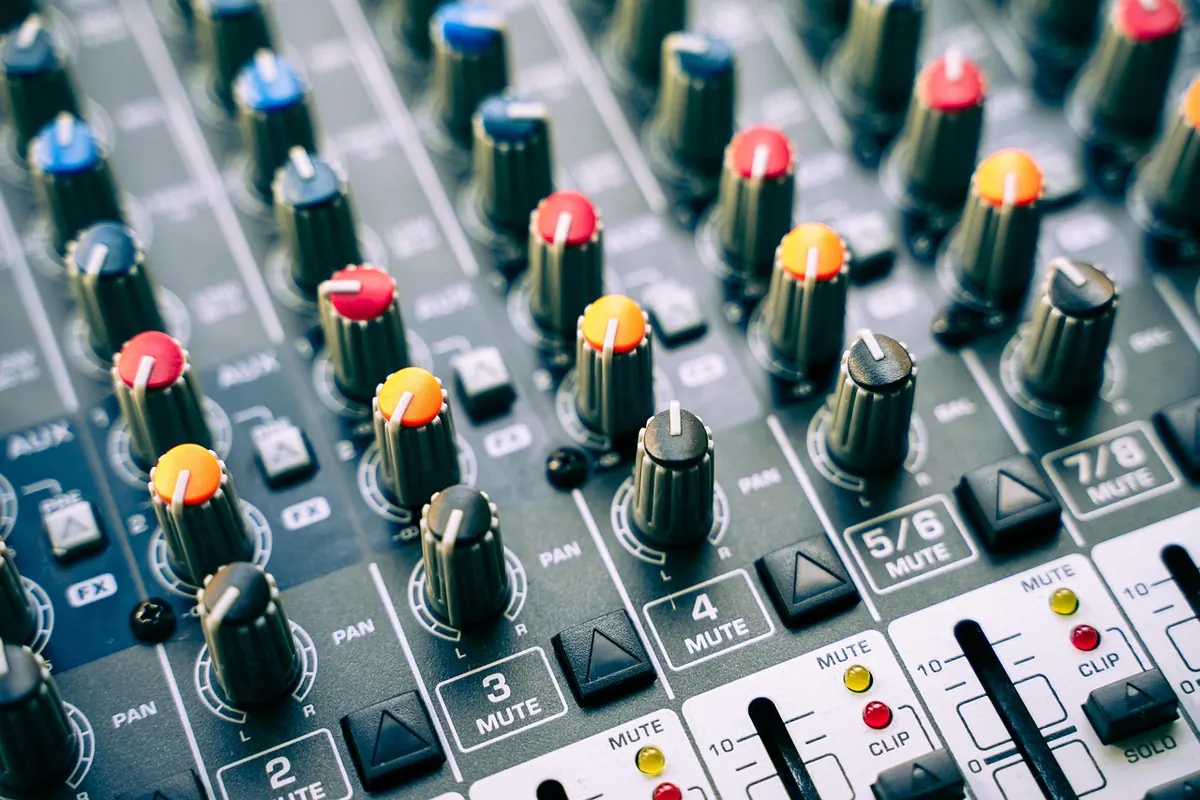
Every few weeks, a new Oasis album rumour does the rounds. A grainy photo of a mixing desk. A since-deleted Instagram story. An anonymous account insisting a producer has been spotted at a studio somewhere in the north of England. The reunion tour is real, so the next step feels inevitable — and plenty of people are happy to fill the gap between what we know and what we want with something that sounds confident.
That isn't the same as saying there's nothing to go on. There is a real difference between a rumour with a paper trail and a rumour someone invented on a Tuesday afternoon for clicks, and it's worth knowing which one you're looking at before you repeat it.
What has actually been confirmed
Start with the solid ground. The reunion itself is real. Liam and Noel Gallagher announced it in August 2024 and the UK and Ireland stadium dates followed in summer 2025, with further shows announced across North America, Australia, Japan and beyond. Paul "Bonehead" Arthurs, Gem Archer and Andy Bell are part of the live line-up, and Zak Starkey has been widely reported as the drummer.
What has not been confirmed is a record. At the time of writing there is no announced title, no release date, no artwork, no lead single and no statement from the band or their label about new music. That's the baseline. Anything you read that skips past it is speculation dressed up as reporting, however confidently it's written.
Where the album rumours actually come from
Most of them trace back to a small number of places, and they all get recycled through the same channels.
- Social media posts with no context. Musicians post studio photos constantly, and most of the time they are advertising something: a guitar, a plug-in, a mate's band, a solo project.
- Fan accounts with large followings. Many are run well and clearly label speculation. Others state guesses as fact because that travels further.
- Journalists with genuine contacts. A handful of music writers do have real sources at management and label level. A much larger number repeat what those writers said a few days later, with the hedging stripped out.
- Old information resurfacing. Articles from 2023 or 2024 get screenshotted and reposted without a date, and suddenly a two-year-old quote reads like breaking news.
The pattern matters. A rumour that gets repeated often enough starts to feel verified, even when every version traces back to the same single post.
The sessions question: who is supposedly in the room
The word "sessions" is doing a lot of heavy lifting in most of these stories. In reality it covers at least four different things, and only one of them means an album is coming.
Writing is not recording. Noel Gallagher writes constantly and always has; songs existing in some form tells you very little. Demo work is not recording either, and neither is a day in a rehearsal room working up arrangements for a live show. Actual recording — tracking finished songs with a producer, a studio booked for weeks, a schedule that blocks out both brothers' diaries — is a different commitment entirely, and neither Gallagher has confirmed it.
What we do have is two men who have been asked about a new Oasis record repeatedly and who have both given answers that leave the door open. That's not the same as a plan. Both also have their own projects and touring commitments to work around, which is the single biggest practical obstacle to anything happening quickly.
The producer names doing the rounds
Producer rumours are the easiest kind to start, because a name is memorable, recognisable and almost impossible to disprove. The names that come up most are the ones with genuine history:
- Mark Coyle, who worked alongside the band on Definitely Maybe.
- Owen Morris, who produced (What's the Story) Morning Glory? and Be Here Now.
- Dave Sardy, who produced Don't Believe the Truth and Dig Out Your Soul.
The appeal is obvious. A Coyle or Morris reunion would signal a return to the raw, live-sounding approach of the early records, which is exactly what a large chunk of the fanbase says it wants. But none of it has been confirmed by anyone involved, and there's a basic structural point that gets ignored: Noel has taken a hands-on production role across his solo records, and modern albums of this size often use more than one producer across different sessions and cities. There is no single obvious answer here, which is precisely why people keep guessing.
Why an album is harder than a tour
A tour is a fixed calendar. Dates are booked, promoters handle logistics, and the band turns up and plays. A record is open-ended by comparison: writing, tracking, overdubs, mixing, mastering, artwork, manufacturing, marketing, and then a release date that fits around everyone's other commitments.
Manufacturing is a genuine constraint, too. Vinyl pressing has been stretched for years, and any release big enough to satisfy Oasis demand needs planning well in advance. If an album were genuinely finished and scheduled, you'd expect the machinery around it to start moving in ways that are hard to hide — artwork registered, distribution listings appearing, retail systems loading. So far, none of that has surfaced in any verifiable way.
How to weigh the next rumour you see
- Go to the source, not the screenshot. Check the band's official channels and mailing list first. If it isn't there, you're reading someone's interpretation.
- Look for independent confirmation. Two outlets repeating the same anonymous claim is one source, not two.
- Ask what the account gains. Engagement, followers and traffic are real incentives. Plenty of accounts have no reason to be accurate.
- Specifics are a good sign. Real announcements come with dates, formats, catalogue numbers and a label. Vague teases rarely turn into anything.
- Check the date. Before you share it, find out when it was written.
- Be wary of the phrase "a source close to the band". If no outlet is named and no journalist is attached, treat it as noise.
What to do with all this
Keep your expectations tied to what's confirmed and treat everything else as entertainment. Follow the band's official channels and switch on notifications for them; if an album is announced, it will be everywhere within minutes and you are not going to miss it.
If you want a genuinely useful filter, keep a mental note of which accounts called the tour correctly before it was public. Those are the ones worth watching, and there aren't many of them. Ignore anyone selling "leaked" merchandise or tickets to unannounced shows — those scams appear every time a rumour peaks, and they cost real money.
And enjoy the guessing while it lasts. This is the most interesting Oasis has been in fifteen years, and a bit of speculation is part of the fun, as long as you know which parts are the story and which parts are just the noise around it.
Photo: ThorstenF / Pixabay